January 15, 2026
In the world of home improvements, few decisions are as crucial as choosing the right roofing material. With the weight of energy efficiency, durability, and aesthetic appeal resting on your choice, the stakes are undeniably high. While asphalt shingles and metal roofing represent two of the most common selections, each brings its own array of strengths and shortcomings. This article delves into essential factors one should consider when deciding between these two formidable options. Making an informed decision not only enhances your home's value but also its longevity and functionality. Reaching out to an experienced roofing company, like us, can help inform you.
1. Cost and Budget
Asphalt shingles have long been popular due to their relatively low initial cost compared to metal roofing. The installation of asphalt shingles is straightforward, thus reducing labor costs, making it a budget-friendly option for many homeowners. Conversely, metal roofing tends to be more expensive at the outset due to higher material costs and the specialized labor required for installation. Despite these higher initial expenses, many homeowners view metal roofing as a worthwhile investment due to its durability and longevity. When planning a roofing project, balancing short-term affordability with long-term value is a critical consideration.
While the upfront costs of asphalt shingles are lower, metal roofs often prove more economical over their lifespan. Asphalt shingles typically require more frequent maintenance and have a shorter lifespan, potentially leading to higher cumulative repair costs. In contrast, metal roofs demand less maintenance and can last significantly longer, reducing long-term expenditures. Moreover, some metal roofing products come with extended warranties, providing additional peace of mind and potential savings. Thus, a comprehensive cost analysis should include projected maintenance expenses and lifespan comparisons of both options.
Choosing a roofing material impacts your home's resale value significantly. According to The Journal of Light Construction, the average return on investment for metal roof replacement is 48%, reflecting a strong value proposition. This figure showcases how metal roofs, despite their higher installation costs, can enhance property value more significantly than asphalt shingles. Buyers often perceive metal roofs as superior in terms of quality and durability, which can facilitate quicker sales at higher prices. Therefore, evaluating ROI is essential for homeowners considering their home's future sale.
2. Durability and Lifespan
Roofing materials must withstand a variety of harsh weather conditions to remain effective. Metal roofs excel in this area, offering exceptional resistance to wind, rain, and even hail. These roofs maintain their integrity under severe weather, withstanding elements that might damage or dislodge asphalt shingles. On the other hand, asphalt shingles can be susceptible to storm damage, especially without proper installation or maintenance. Evaluating local climate patterns can help determine which material provides optimal weather resilience for your home.
The weight load of roofing materials impacts a home's structural integrity. Asphalt shingles are light and won't pose significant weight challenges to an average home's structure. Metal roofing options tend to weigh more, necessitating a sturdier framework or structural reinforcements during installation. Nonetheless, metal roofs also provide structural benefits, as they are robust and can support heavier snow loads without risk of collapse. Considering your home's structural capacity and regional requirements is vital before selecting a roofing material.
The lifespan of roofing materials plays a crucial role in their value proposition. We've found that asphalt shingles typically last between 15 and 30 years, depending on the product quality and environmental exposure. In contrast, metal roofs can last 40 to 70 years with proper maintenance, doubling the lifespan of traditional shingles. This extended lifespan not only delays replacement expenses but also enhances long-term home value. Longevity considerations should guide budgetary allocations and future maintenance planning.
3. Aesthetic Appeal
The aesthetic versatility of roofing materials greatly affects a home's overall appearance. Asphalt shingles offer a wide variety of colors and textures, easily tailored to many architectural styles. Meanwhile, metal roofing also comes in diverse designs, including panels, tiles, and shingles, allowing for customization to emulate the look of traditional materials. This versatility meets varying aesthetic desires, from modern minimalism to classic elegance. Understanding available options and their alignment with personal style preferences and neighborhood standards can inform the best roofing choice.
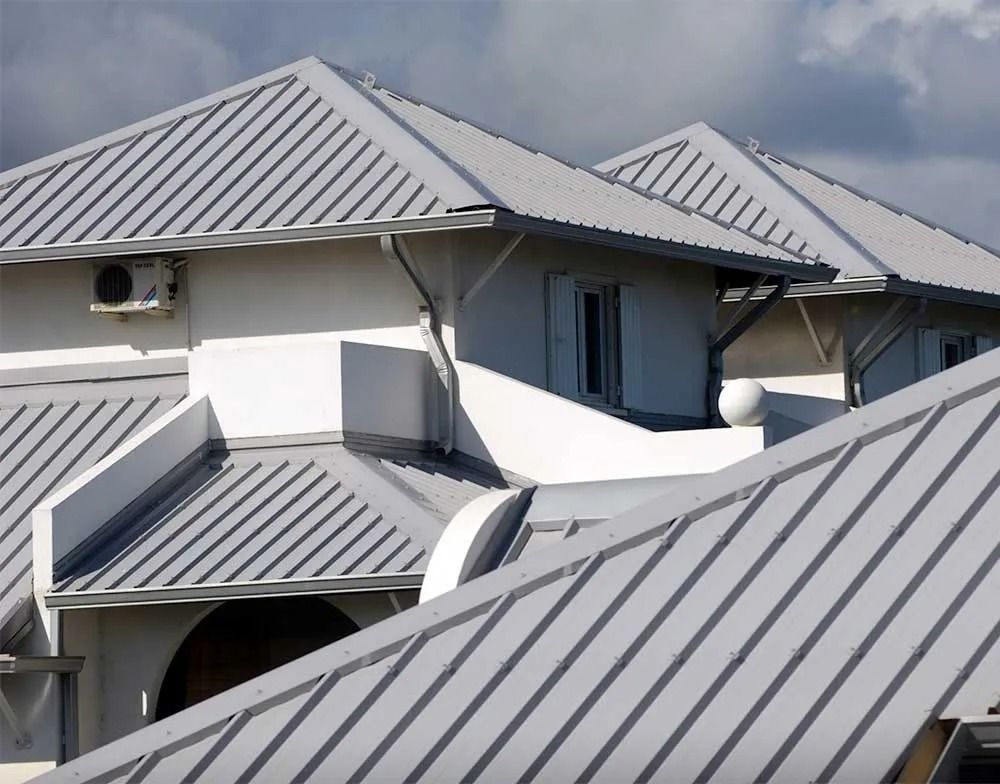
A roof's material should complement the home’s architecture to enhance visual coherence. Metal roofs work exceptionally well with modern, contemporary, and industrial designs due to their sleek appearance. Alternatively, asphalt shingles align naturally with traditional and suburban homes, presenting a comfortable and familiar facade. Considering your home's architectural style and neighborhood aesthetics will lead to harmony between the roof and the structure it covers. Architectural compatibility should never be overlooked as it substantially influences curb appeal and marketability.
A roof significantly impacts the first impression of a home. The visual appeal of asphalt shingles remains popular due to their classic look and clean lines. Metal roofs, offering a polished and distinctive appearance, can become focal points that set homes apart in their neighborhoods. For homeowners focused on maximizing curb appeal, the choice of roofing material can significantly affect the visual harmony and attractiveness of the property. Deliberate consideration of how each option enhances or detracts from visual appeal is essential for making an informed decision.
4. Environmental Impact
The environmental impact of roofing materials begins with how their raw materials are sourced and processed. Asphalt shingles involve petroleum-based products, entailing significant energy consumption and associated emissions. Conversely, metal roofing is often manufactured from recycled metals and boasts a lower environmental footprint. Homeowners prioritizing sustainable practices may find metal roofs align more closely with their values due to their environmentally friendly manufacturing processes. Awareness of production practices can guide decisions toward more eco-conscious options.
Recyclability adds another dimension to the environmental impact of roofing materials. Metal roofs are widely recognized for their high recyclability, promoting sustainable practices at the end of their lifespan. Asphalt shingles, although less recyclable, are increasingly being repurposed for road construction and similar industrial applications. Understanding each material's end-of-life prospects can promote proactive, sustainable decision-making. Prioritizing recyclability aligns with broader environmental goals related to waste reduction and resource efficiency.
Roof materials contribute to a building's energy efficiency and thermal regulation. Metal roofs provide excellent insulation and energy-saving benefits, reflecting rather than absorbing solar heat. Asphalt shingles, while offering moderate insulation, can be supplemented with additional materials to enhance energy efficiency. Understanding energy dynamics in roofing decisions aids in optimizing insulation and reducing utility bills. Assessment of both environmental impact and energy savings should involve evaluating insulation properties to support sustainable living.
5. Installation and Practicality
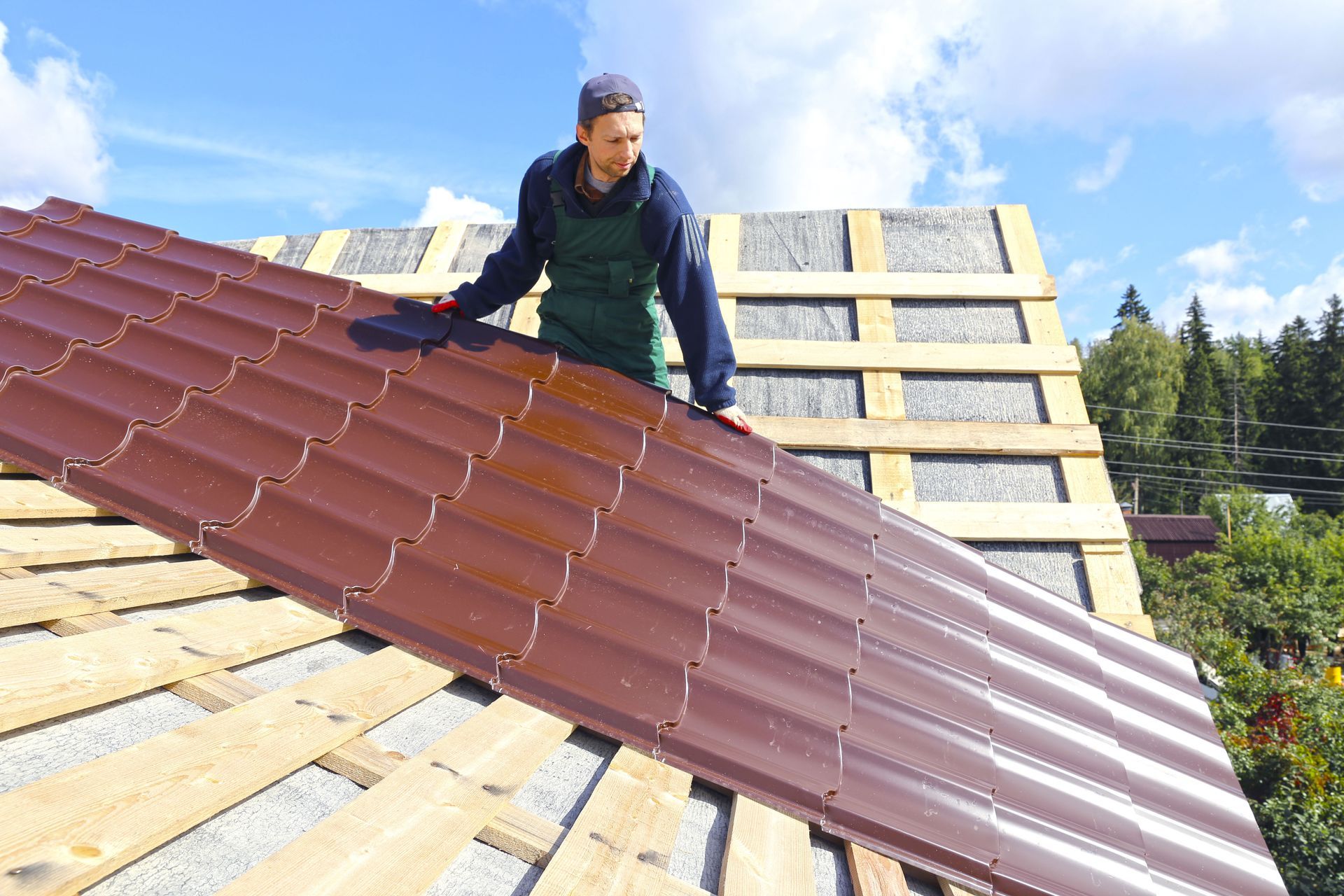
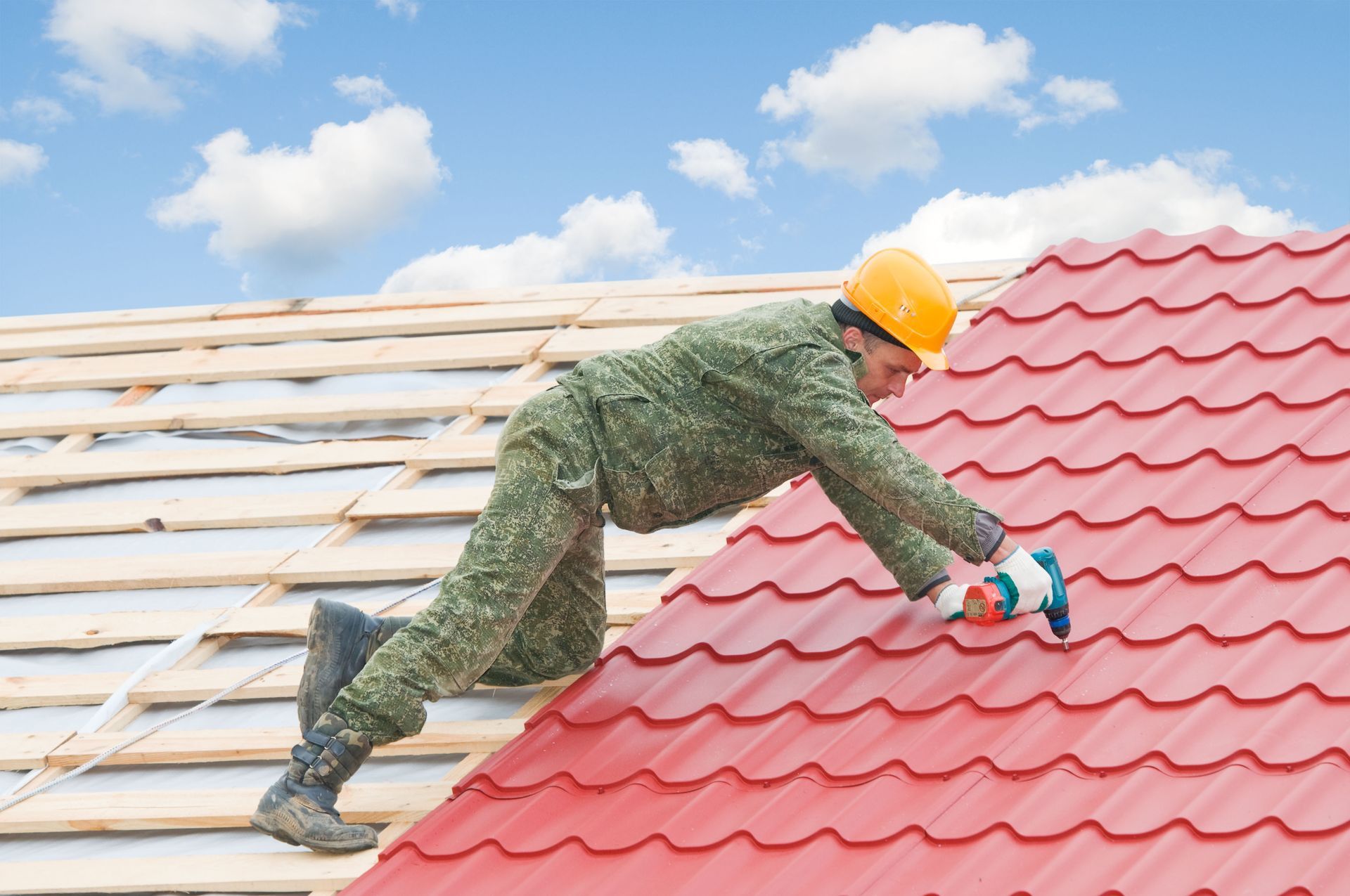
The complexity of installing a roof can influence timeframes and costs. Asphalt shingle roofing is relatively straightforward, with most general contractors equipped to handle installations swiftly and effectively. Metal roofing, however, demands specialized skills due to the intricacies involved in cutting and fitting panels. Consequently, metal roof installations might require more investment in skilled labor, reflected in installation costs. Careful evaluation of installer expertise ensures a well-fitted and durable roof, regardless of the material chosen.
The timing of roofing projects can also differ based on the material. Asphalt shingle installations typically occur more frequently due to their simpler methodology and greater contractor availability. Conversely, metal roofs might present scheduling challenges, owing to the expertise required and potentially longer project timelines. Seasonality affects every roofing project, but fall and spring typically present ideal conditions, balancing temperature and weather-related concerns. Aligning roofing projects with favorable seasons reduces the risks of weather-related delays and ensures safer installations.
The installation of different roofing materials impacts occupants' comfort during construction. Metal roofing installation can produce more noise, as it involves cutting, drilling, and fastening of metal panels. In contrast, asphalt shingle installations tend to be quieter, resulting in fewer disturbances. Homeowners sensitive to noise might favor asphalt shingles, especially when construction is required while living in the home. Managing disruptions with thoughtful timing or temporary relocation can ease any inconvenience associated with roofing installations.
Both asphalt shingles and metal roofs present distinct advantages and drawbacks that merit careful consideration. From cost and installation complexity to aesthetic appeal and environmental impact, each factor occupies a critical spot in informed decision-making. While asphalt shingles offer budget-friendly and aesthetically versatile choices, metal roofs promise energy efficiency, longevity, and enhanced property value. Ultimately, homeowner priorities and property-specific needs define the most suitable option. Weighing these considerations enables a well-rounded and strategic decision that protects and beautifies your home for years to come. When it comes time to work on your roof, contact a
roofing company you can count on. Call our professionals at Richardson-Stinton Roofing.