February 18, 2026
Installing a new roof is a significant investment in your home, and most homeowners expect it to last decades. However, the lifespan of a roof is influenced by many factors, from the materials used to the quality of installation and the environment surrounding the property. Understanding these factors can help you maximize the life of your roof and plan for future roof replacement when necessary.
In this informative guide, we’ll explore critical factors that affect how long a new roof will last and why proper maintenance and professional installation are essential.
1. Roofing Material Quality
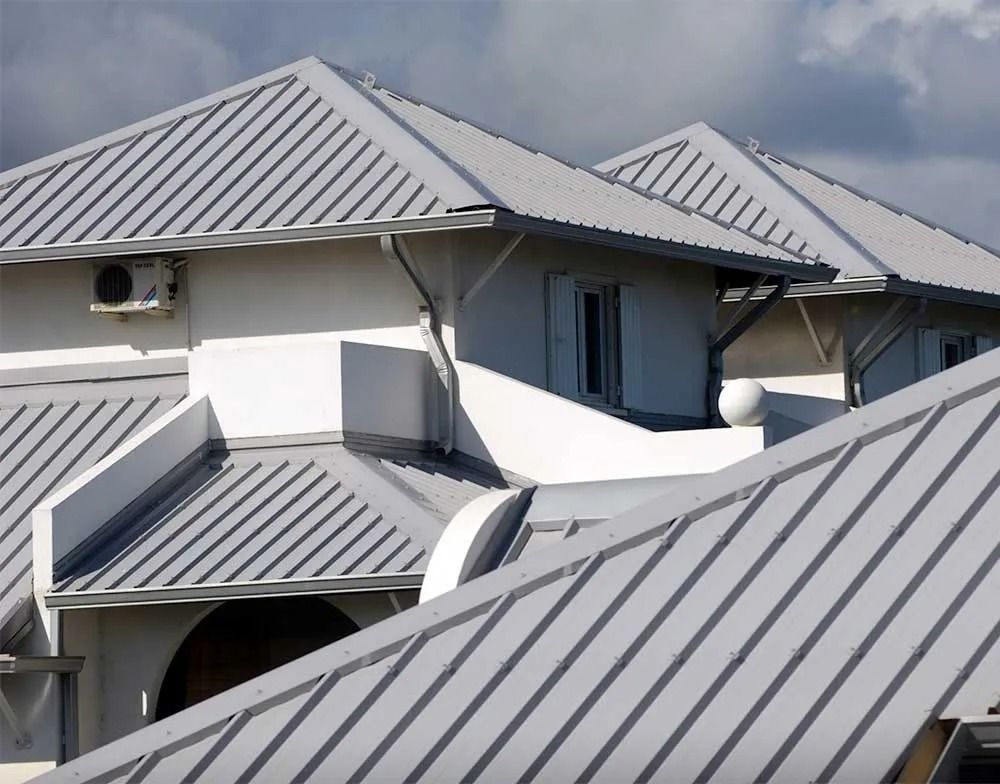
The type and quality of roofing materials have the most direct impact on durability. In our professional experience, asphalt shingles, for example, typically last 15-30 years, while metal can last 50 years or more. Investing in higher-quality materials may cost more upfront but can save money over time by delaying the need for roof replacement.
Professional contractors can help homeowners select the right materials for their budget and local climate, ensuring optimal performance and longevity.
2. Installation Quality
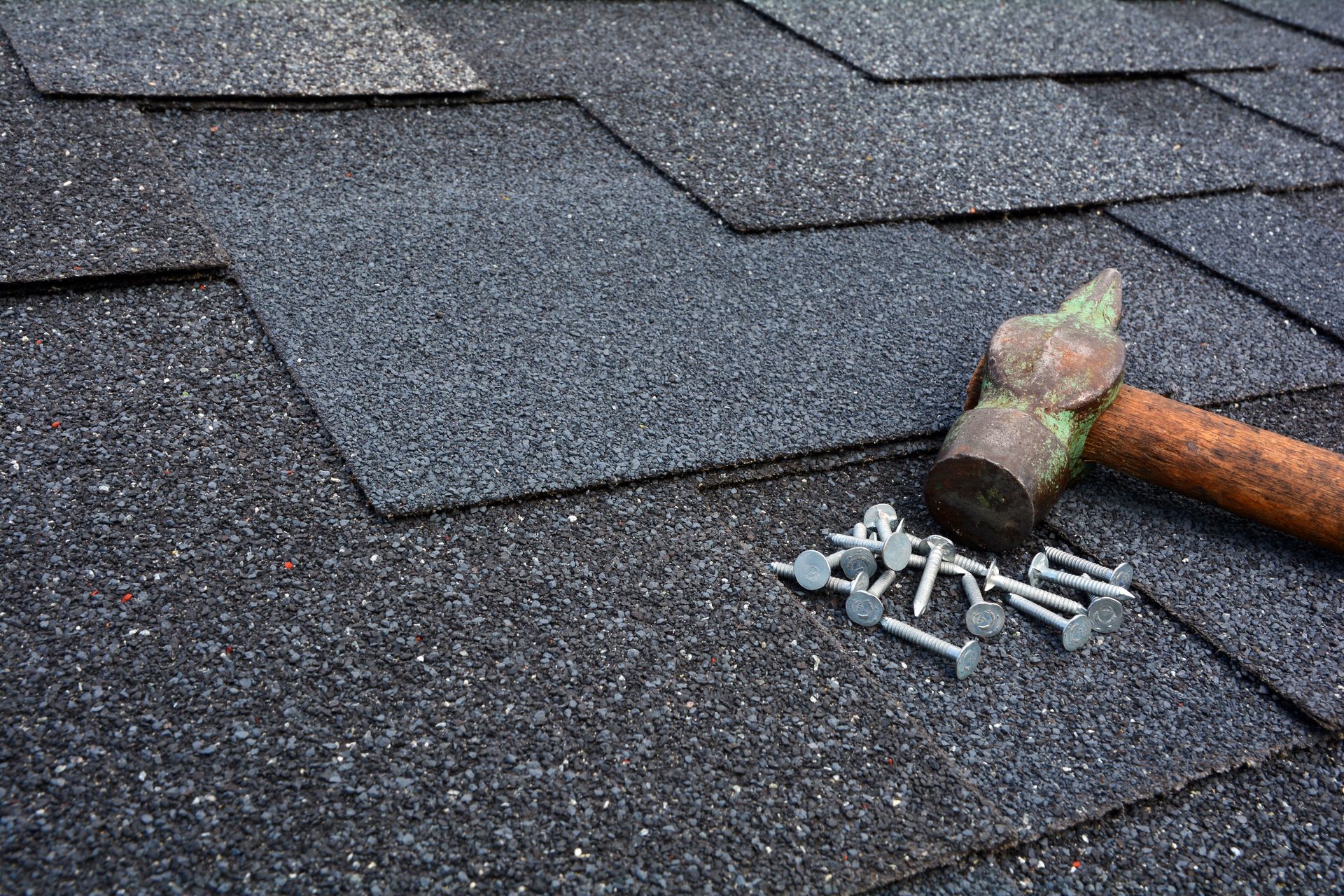
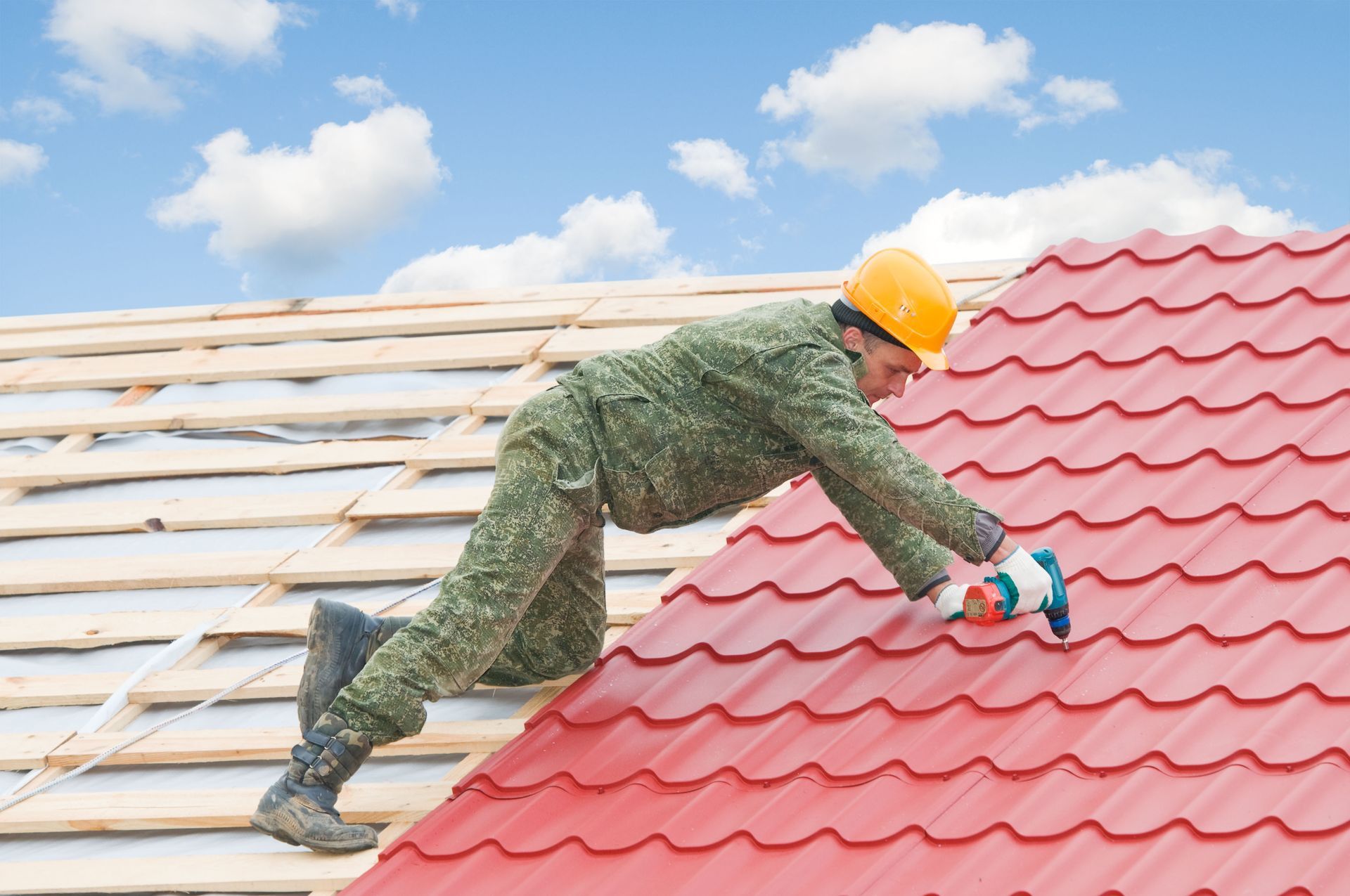
Even the best roofing materials will not perform well if they are improperly installed. Poor installation can lead to leaks, premature wear, and structural issues. Choosing a licensed and experienced roofing contractor for your roof replacement is critical to ensure proper alignment, nailing, flashing, and ventilation.
High-quality installation protects your home and maximizes the lifespan of your roof, while poor workmanship often leads to frequent repairs and early roof replacement.
3. Roof Pitch and Design
The slope or pitch of your roof affects how quickly water and debris drain. Steeper roofs shed water more efficiently, reducing the risk of leaks and water damage, while flat or low-slope roofs are more prone to pooling, which can accelerate deterioration.
Architectural design elements, such as valleys, skylights, and dormers, also create areas that require extra attention. Proper planning during roof replacement ensures these features are installed correctly to prevent long-term problems.
4. Local Climate and Weather Conditions
Environmental factors, such as temperature extremes, wind, rain, snow, and hail, significantly influence roof longevity. Harsh winters and frequent storms can cause shingles to crack, curl, or lift, while prolonged sun exposure can lead to fading and material breakdown.
Homeowners in areas with severe weather should consider durable materials and regular inspections to extend the life of their roof and avoid early roof replacement.
5. Ventilation and Attic Conditions
Proper ventilation and attic insulation play a critical role in preventing moisture buildup and heat damage. Poor ventilation can cause shingles to warp, promote mold growth, and reduce energy efficiency.
During roof replacement, ensuring adequate airflow and insulation will help maintain a stable temperature in the attic, extending the life of your roofing materials and protecting your home’s structure.
6. Roof Maintenance Practices
Regular maintenance is essential for a long-lasting roof. Clearing debris, inspecting for damage, cleaning gutters, and addressing minor issues promptly prevents small problems from becoming major repairs.
Homeowners who neglect routine maintenance may face early deterioration and the need for premature roof replacement. Hiring professionals for annual inspections can help identify potential issues before they escalate.
7. Roof Flashing and Sealing
Flashing, sealants, and roof edges are critical for preventing leaks, particularly around chimneys, skylights, and vents. Poorly installed or deteriorating flashing can allow water to penetrate the roof, causing rot and structural damage.
During roof replacement, quality flashing and sealing ensure that your roof remains watertight, protecting your home and increasing the overall lifespan of the roofing system.
8. Roof Slope and Drainage Systems
Efficient water drainage is essential to prevent pooling and leaks. Gutters, downspouts, and roof slope should all work together to direct water away from the home. Clogged or improperly installed drainage systems can shorten the life of your roof.
When performing a roof replacement, professional contractors assess drainage and make necessary improvements to protect your roof from water damage over time.
9. Homeowner Usage and Surrounding Environment
Trees, wildlife, and nearby construction can impact roof longevity. Falling branches, leaves, and debris can damage shingles and clog gutters, while excessive foot traffic from roof access can wear down materials.
Being aware of your roof’s environment and taking preventive measures, such as trimming trees and limiting rooftop activity, can help extend the life of your roof and delay future roof replacement.
10. Warranty and Manufacturer Support
Many roofing materials come with manufacturer warranties that cover defects and early failure. Understanding the terms and following proper installation practices is crucial to ensure that your roof is protected under warranty.
Choosing a roofing contractor who works with reputable brands and adheres to manufacturer guidelines during roof replacement ensures that you benefit from warranty coverage, providing additional peace of mind and financial protection.
11. Roof Age
The age of your roof is a major factor in determining how long it will last. According to Today’s Homeowner, roofs older than 20 years often require repeated repairs, making replacement a more reasonable long-term solution. Even with proper maintenance, older roofs become more susceptible to leaks, structural damage, and material degradation.
When a roof reaches the end of its expected lifespan, planning for roof replacement is essential. A professional contractor can evaluate your roof’s condition, recommend whether repairs are sufficient, or advise that a full replacement is the safer and more cost-effective option.
12. Building Codes and Local Regulations
Local building codes and regulations can affect the materials, installation methods, and safety requirements for your roof. Updates to codes may require upgrades or modifications during roof replacement, particularly if your roof has reached an older age or sustained significant damage.
Working with a licensed roofing contractor ensures that your roof replacement meets current standards, improving durability, safety, and compliance. Understanding these regulations in advance helps avoid fines, reduces risk during severe weather, and ensures your new roof will last as long as possible.
13. Preventive Maintenance Practices
Regular preventive maintenance is crucial to extending the life of your roof. Simple tasks such as cleaning gutters, removing debris, inspecting for leaks or damaged shingles, and trimming overhanging branches can prevent minor issues from becoming major problems. Neglecting maintenance can lead to premature deterioration and the need for early roof replacement.
Scheduling professional inspections at least once a year ensures that potential problems are identified and addressed promptly. Roof replacement contractors can also provide expert advice on seasonal care and maintenance routines that protect your investment and maximize the lifespan of your roofing system.
14. Environmental Hazards and Natural Wear
Environmental factors such as hail, high winds, heavy snow, and UV exposure can significantly affect a roof’s lifespan. Over time, these natural elements cause shingles to crack, curl, or lose granules, weaken flashing, and create leaks. Homes in areas prone to storms or extreme weather often experience accelerated wear.
Regular inspections and timely repairs can help mitigate damage from environmental hazards. When damage becomes extensive, a professional roof replacement ensures that your home is fully protected against future weather events, maintains structural integrity, and prolongs the life of the new roofing system.
Understanding these elements and working with experienced professionals for roof replacement can maximize durability and protect your home for decades. Our team at Richardson-Stinton Roofing serves Bradenton, FL, and the surrounding Manatee and Sarasota Counties with quality roofing services. Our local, family-owned business offer over 40 years of combined industry experience. Request an estimate today!