January 15, 2026
Homeowners often overlook the condition of their roofs until a problem arises. However, understanding the early signs that indicate the need for professional intervention can save time, money, and prevent extensive damage. This article explores key signs that suggest it might be time to call in a roofing contractor.
1. Shingle Damage
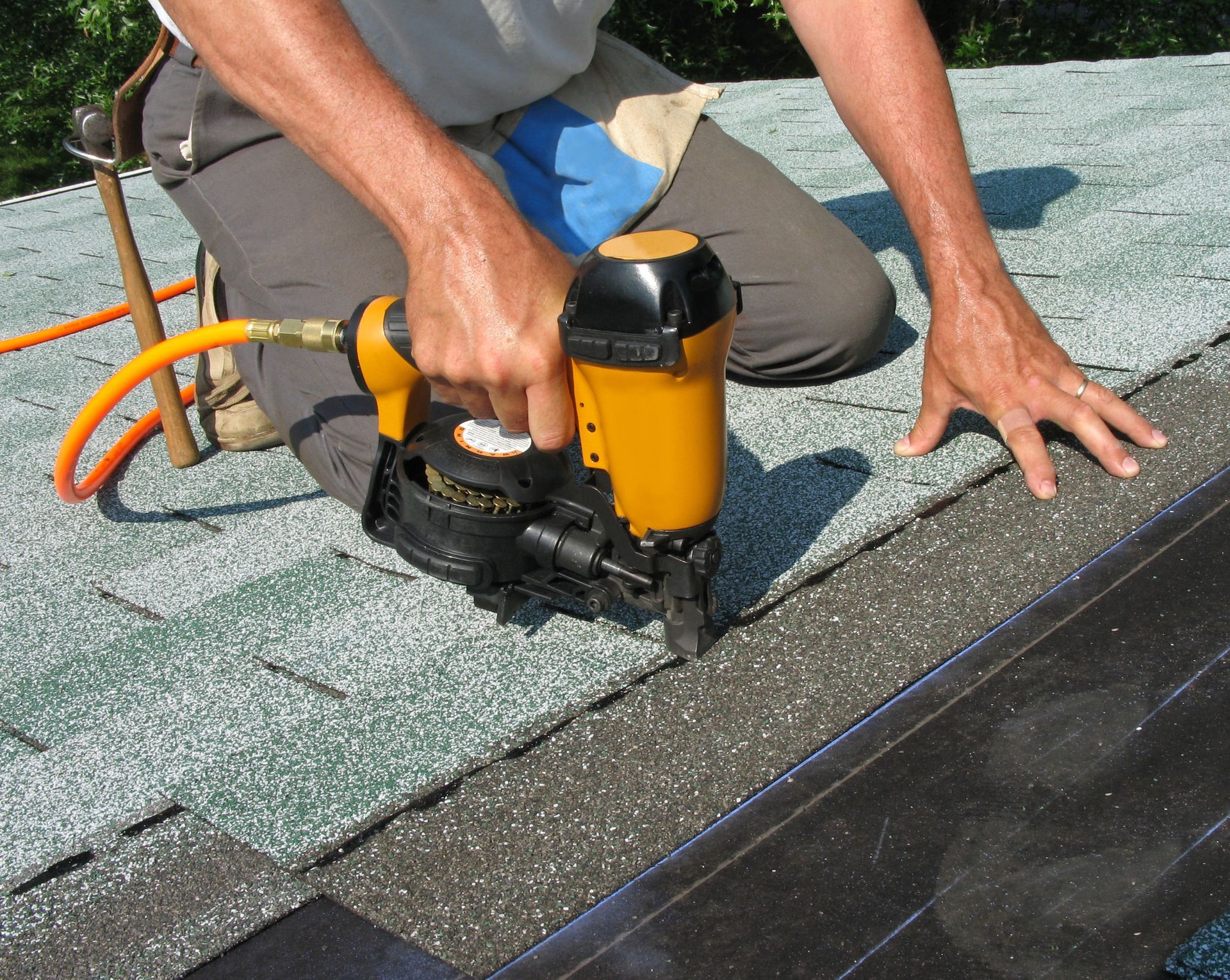
Shingle damage is one of the most visible indicators that your roof needs attention. Shingles play a crucial role in protecting your home from the elements, and their integrity is paramount. When shingles are damaged, it compromises the roof's ability to keep water, debris, and pests out. For instance, curling and buckling shingles can occur due to prolonged exposure to weather conditions or poor ventilation. It is important to address these issues promptly to prevent further deterioration.
Missing shingles can be caused by harsh weather conditions, such as strong winds or heavy rain. A single missing shingle can lead to water seeping into the underlayment, causing leaks and potential water damage. Timely replacement of missing shingles is vital to maintaining the structural integrity of the roof. In fact, neglecting shingle damage can lead to more expensive repairs down the road. According to This Old House, nearly 31% of 2,000 survey respondents pursued roof repair and maintenance projects in the past 3 years, highlighting the importance of addressing such issues.
Granules found in gutters are a sign that the asphalt shingles are deteriorating. Over time, the protective granule layer of the shingles wears off, reducing their ability to shield your home from UV rays. This can lead to further damage and decrease the lifespan of the roof. In areas with high humidity, algae growth can also pose a problem by causing shingle decay. Cracked shingles can result from temperature fluctuations, making them more prone to water penetration and damage.
2. Roof Leaks
Roof leaks are a significant concern that should never be ignored. They not only compromise the structural integrity of the roof but can also lead to interior damage and mold growth. Water stains on ceilings are often the first visible signs of a leak, indicating that water is reaching the interior surfaces of your home. Addressing these stains quickly can prevent more extensive damage. Ignoring leaks may result in costly repairs and potential health hazards from mold and mildew.
Damp spots in the attic are another clear indicator of roof leaks. The moisture in the attic can lead to insulation damage, which in turn affects the energy efficiency of your home. In some cases, leaks can also be traced to damaged flashing, which should be promptly repaired to prevent further issues. Pooling water on the roof is a warning sign that water drainage is compromised. Stagnant water can exacerbate existing leaks and cause more damage to roofing materials over time.
Mold and mildew development due to leaks can have serious health implications for the household. These growths thrive in moist environments and can spread quickly, contaminating indoor air quality. Homeowners should be vigilant about addressing any signs of mold or mildew. Regular roof inspections can help identify potential problem areas before they escalate. Investing in timely roof repairs can ultimately save you from more significant expenses and ensure a safer living environment.
3. Sagging Roof
A sagging roof is a critical issue that signals potential structural failures. This problem can result from several factors, including structural stress, water accumulation, or a weakened roof deck. Early intervention is vital to preserving the structural integrity of the roof. Left unchecked, a sagging roof can eventually collapse, posing a significant safety hazard. Regular roof inspections can help identify sagging areas, allowing for timely repair or reinforcement.
Water accumulation is a common cause of a sagging roof, often resulting from clogged gutters or inadequate drainage. When water is not effectively channeled away from the roof, it can seep into the roofing materials and add unnecessary weight. This added weight can exacerbate structural weaknesses and lead to sagging. In addition to enhancing drainage systems, ensuring proper ventilation and support can help prevent water-related problems. Reinforcing a roof deck that has been compromised by water accumulation is essential to maintaining roof stability.
Inadequate support beams can also contribute to a sagging roof. When the support structure of the roof is weakened, it cannot withstand the weight load effectively. This can result from poor construction, aging materials, or water damage. Regular inspections by a qualified roofing contractor can identify inadequacies in support structures early on. Addressing these issues through reinforcement or repairs can avert more serious problems, such as compromised foundation and eventual roof failure.
4. Increased Energy Bills
Unexpected increases in energy bills can be related to roof issues. Poor insulation and air leakage are common culprits that cause temperature regulation inefficiencies. A well-insulated attic contributes to a comfortable indoor climate and prevents energy loss. Homes with poor insulation may require more heating or cooling, leading to higher utility bills. Improved insulation solutions are often necessary to reduce thermal loss.
Air leakage due to gaps or cracks in the roof structure allows conditioned air to escape while letting outside air in. This makes it harder for your home's HVAC system to maintain desired temperatures. Comprehensive roofing inspections can identify areas of air leakage that need repair. Addressing these leaks maintains energy efficiency and can result in significant cost savings. In cases of outdated roofing materials, updating to more energy-efficient options is beneficial.
Ventilation issues can also affect energy consumption. Proper roof ventilation regulates attic temperatures and prevents moisture buildup. Efficient ventilation systems contribute to extending the life of roofing materials and enhancing energy efficiency. Inadequacies in ventilation can lead to temperature imbalances and increased energy requirements. Regular roof maintenance and potential upgrades play a key role in maintaining optimal energy efficiency levels.
5. Roof Age
The age of your roof is a significant factor in determining its condition. Roofing materials, such as asphalt shingles, have specific lifespan expectations determined by manufacturer specifications. As roofs near the end of their expected lifespan, signs of wear and tear become more apparent. Regular inspections help evaluate the condition of older roofs and guide decisions about necessary maintenance or replacement. Aging roofs may not perform efficiently in protecting the home from weather conditions.
Signs of wear and tear on an aged roof include damaged shingles, worn flashing, and potential leaks. Before significant issues arise, homeowners should consider replacing their old roofs to prevent further damage. Advantages of roof replacement include improved energy efficiency, enhanced curb appeal, and increased property value. Considering previous repairs and warranty expirations helps decide when a new roof installation is necessary. Proactive planning supports timely investment in roof replacement.
Previous repairs may temporarily extend a roof's lifespan, but do not eliminate the need for eventual replacement. Frequent repairs can indicate deeper underlying problems that require comprehensive solutions. Evaluating the extent and cost of past repairs informs decisions on new roofing investments. Moreover, understanding manufacturer warranties is essential, as expired warranties may leave homeowners without coverage for essential repairs. Efficiently managing roof age contributes to long-term property protection.
Regular roof inspections and timely intervention can significantly extend the lifespan of your roof and maintain the safety of your home. By recognizing the signs outlined above, homeowners can make informed decisions about when to enlist the expertise of a
roofing contractor, essentially safeguarding their investment and ensuring peace of mind. For more information about the services that we offer, reach out to our incredible team at Richardson-Stinton Roofing today!