April 2, 2026
Regular roof inspections are an often-overlooked step in maintaining a home’s overall value. While roofs may seem durable, exposure to the elements over time can lead to costly problems if left unchecked. Engaging a professional roofer for routine assessments helps homeowners identify minor issues before they escalate, ultimately saving significant repair or replacement costs. According to the Roofing Contractors, about 45% of homeowners report needing professional roof repairs every five to seven years due to weather damage, leaks, or wear and tear.
Regular inspections also allow homeowners to plan maintenance rather than reacting to emergencies. This proactive approach reduces the likelihood of unexpected disruptions and helps allocate the budget more effectively for home upkeep. Investing in consistent roof care is not just a preventive measure—it is a strategy for long-term financial efficiency and home preservation.
Identifying Early Signs of Damage
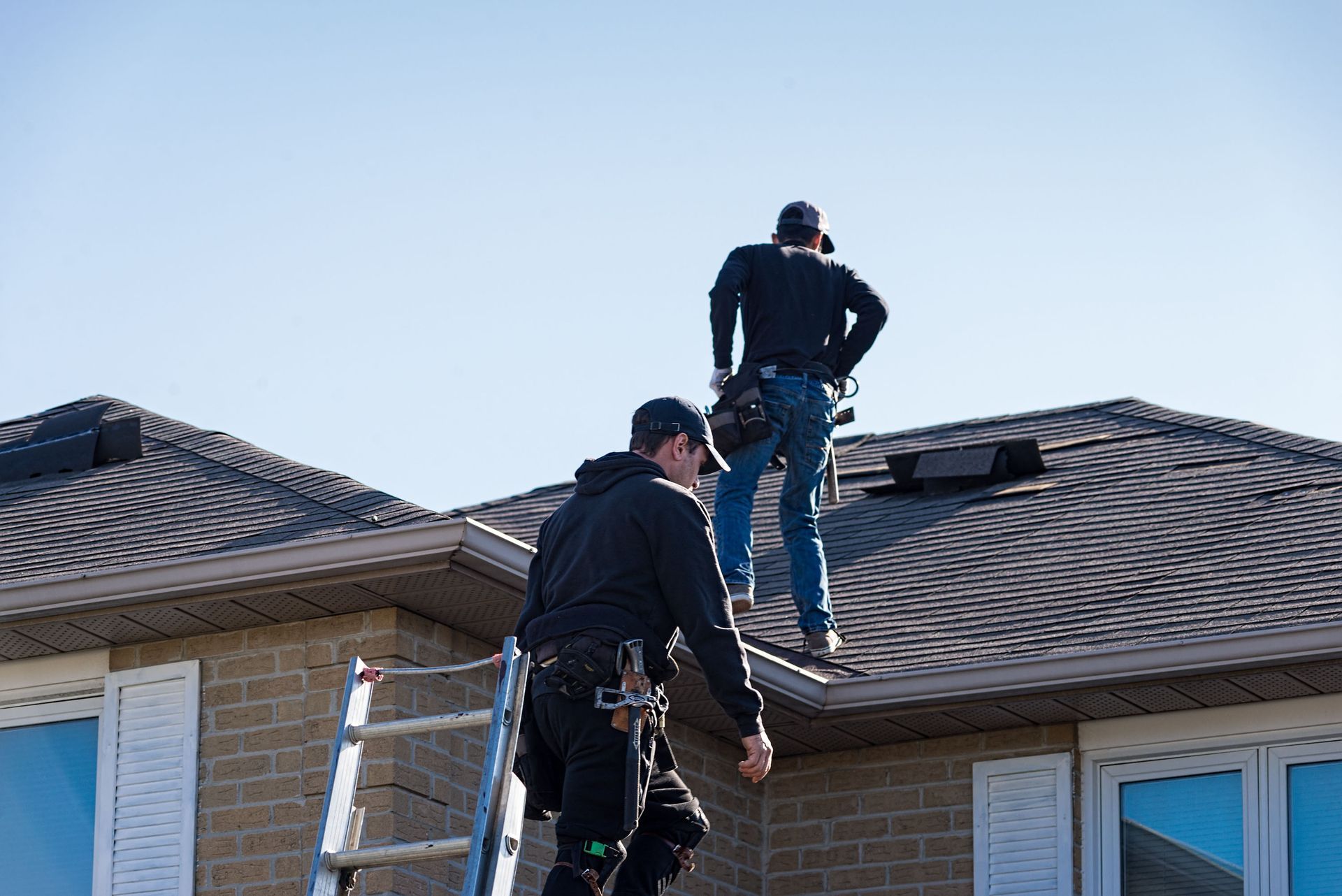
Professional roof inspections detect early indicators of potential problems, such as missing shingles, water stains, or loose flashing. These small issues can escalate quickly if ignored, resulting in structural damage or extensive leaks. A roofer brings the experience and equipment to assess both visible and hidden areas, giving a comprehensive view of the roof’s condition.
Beyond the obvious signs, inspections can reveal subtle problems, including minor cracks in flashing, granule loss on shingles, or blocked gutters that cause water to pool. Catching these issues early often involves less intensive repairs, which reduces overall maintenance expenses and minimizes disruption to daily life. A roofer’s detailed evaluation ensures nothing goes unnoticed, preventing minor concerns from becoming costly emergencies.
Preventing Costly Structural Repairs
When roof problems go unnoticed, they can affect the underlying structure of a home. Water infiltration can weaken wooden supports, leading to sagging or compromised stability. Mold and rot may also develop, creating further financial and health concerns. By scheduling regular inspections with a qualified roofer, homeowners can mitigate these risks.
Repairing structural damage can be exceptionally costly and invasive, often requiring interior repairs along with roof replacement. Addressing small problems early helps maintain the roof’s integrity and protects other parts of the home, including ceilings, walls, and insulation. The cost of minor repairs identified during inspections is typically far lower than the expense of structural renovations or extensive replacements, making regular professional evaluation a sound financial strategy.
Extending Roof Lifespan
Routine professional inspections can extend the effective life of a roof. Regular assessment helps maintain proper drainage, identify areas of wear, and prevent small damages from worsening. A well-maintained roof resists deterioration from wind, rain, and snow, delaying the need for a full replacement.
In addition to direct savings on materials and labor, extending the roof’s lifespan reduces the frequency of costly disruptions to the home. Replacements often involve temporary relocation, furniture protection, and additional cleanup expenses. By investing in routine inspections, homeowners minimize these indirect costs while maximizing the value derived from the existing roofing system.
Reducing Energy Expenses
Damaged or aging roofs often affect a home’s energy efficiency. Gaps, leaks, or missing insulation can allow heat to escape during winter or enter during summer, increasing energy bills. During an inspection, a roofer evaluates the roof’s insulation, ventilation, and overall integrity. Timely repairs help maintain consistent indoor temperatures and reduce unnecessary energy consumption, directly translating to savings on monthly utility costs.
Even minor roof improvements, such as sealing small leaks or repairing worn flashing, can have a measurable impact on heating and cooling efficiency. Over time, these savings accumulate, offsetting the cost of inspection and repair. A roofer’s ability to pinpoint energy-related issues ensures homeowners are not losing money through hidden inefficiencies.
Managing Insurance and Liability
Insurance claims for roof damage can be complicated without a documented maintenance history. Regular professional inspections provide a record of the roof’s condition, which may be valuable in filing claims for storm or weather-related damage. Roofers can provide documentation that demonstrates proactive care, potentially influencing claim outcomes and avoiding disputes.
Having a documented maintenance record may also lower insurance premiums over time. Many insurance providers recognize the reduced risk of emergency damage in well-maintained homes. This preventative approach reduces unexpected financial burdens associated with emergency repairs and liability, turning regular inspections into a long-term cost-saving measure.
Preserving Property Value
The roof is a critical factor in a property’s market value. Homes with well-maintained roofs are more attractive to buyers and appraisers. Inspections by a roofer reveal issues that could diminish value, allowing homeowners to address them before they become significant problems.
A strong, well-documented roofing history can also give sellers an advantage in competitive markets. Buyers are more likely to pay a premium for a home with a solid roof, knowing they will not face immediate repair costs. Maintaining a sound roof supports both the immediate financial interest of reducing repairs and the long-term investment in the home’s overall worth.
Planning for Seasonal Changes
Weather patterns and seasonal shifts can significantly impact roofing performance. Winter snow, spring rains, or summer heat can accelerate wear or create damage that is not immediately visible. Professional roof inspections consider seasonal effects, identifying vulnerabilities before they lead to urgent repairs.
Planning maintenance around seasonal cycles allows homeowners to address issues when costs are lower and the availability of roofing services is higher. For example, repairing minor winter damage in early spring may prevent emergency summer interventions that are more expensive and less convenient. Proactive timing saves money and extends the functional life of the roof.
Supporting Safety and Peace of Mind
A damaged roof can present safety hazards, from falling debris to potential collapse in extreme cases. Inspections conducted by a roofer help identify and address hazards early, protecting both the home and its occupants.
Beyond the financial benefits, knowing the roof is monitored and maintained provides peace of mind, reducing stress associated with hidden risks or sudden repair emergencies. Safety-focused inspections can also prevent secondary damage to electrical systems, interiors, or landscaping, further limiting unplanned expenses.
Optimizing Long-Term Maintenance Costs
By detecting minor issues and planning corrective measures, professional inspections create a proactive maintenance schedule. This approach avoids the “catch-up” costs associated with waiting until problems are severe. Roofers can advise on timing and methods for repairs, offering strategies that keep long-term expenses manageable.
Scheduling inspections annually or biannually allows for consistent monitoring of wear and tear, helping homeowners budget more predictably for upkeep. Over time, this systematic approach reduces the likelihood of high, unexpected costs and improves the financial efficiency of overall home management.
Making Informed Replacement Decisions
Even the most durable roofs eventually require replacement. Professional inspections provide critical data on wear patterns, material degradation, and overall roof health. With this information, homeowners can make informed decisions regarding timing, scope, and budgeting for a new roof.
Consulting a roofer during this planning stage prevents premature replacements and avoids overspending by understanding the roof’s remaining useful life. Additionally, inspection reports can guide homeowners toward options that maximize cost-effectiveness, ensuring that investments in new roofing provide both durability and financial value.
Professional roof inspections are a strategic investment in home maintenance, offering measurable savings in repair costs, energy bills, and long-term property value. From detecting minor damage to planning for seasonal changes, a roofer plays a vital role in protecting both the structure and financial interests of a homeowner. For reliable assessments and actionable guidance, contact a roofer at Richardson-Stinton Roofing to keep your roof in optimal condition!